6x4 Tractor Horsepower Guide: Which Power Band Fits Your African Haul
Shopping for a 6x4 tractor by one horsepower number is how buyers end up with either an engine that idles its capability or one that never sees flat ground. Heat, gradient, distance, road surface and typical overload all push the same spec in different directions. This guide groups the common tractor power bands, describes the work each band is built for, and lists what to weigh before you commit.
Why the power band matters more than a single number
A tractor is specified for the heaviest thing it does regularly, not for its brochure peak. The same 6x4 chassis layout is sold across a wide horsepower range, and the difference between bands is not speed - it is whether the engine holds its output on a long, hot grade with a full combination behind it.
On African routes the variables that consume horsepower are predictable: sustained heat that thins intake air and stresses cooling, long or broken gradients, unsealed surfaces that add rolling resistance, and combinations that regularly run above nominal tonnage. A band chosen against those variables holds up; a number chosen from an advert does not.
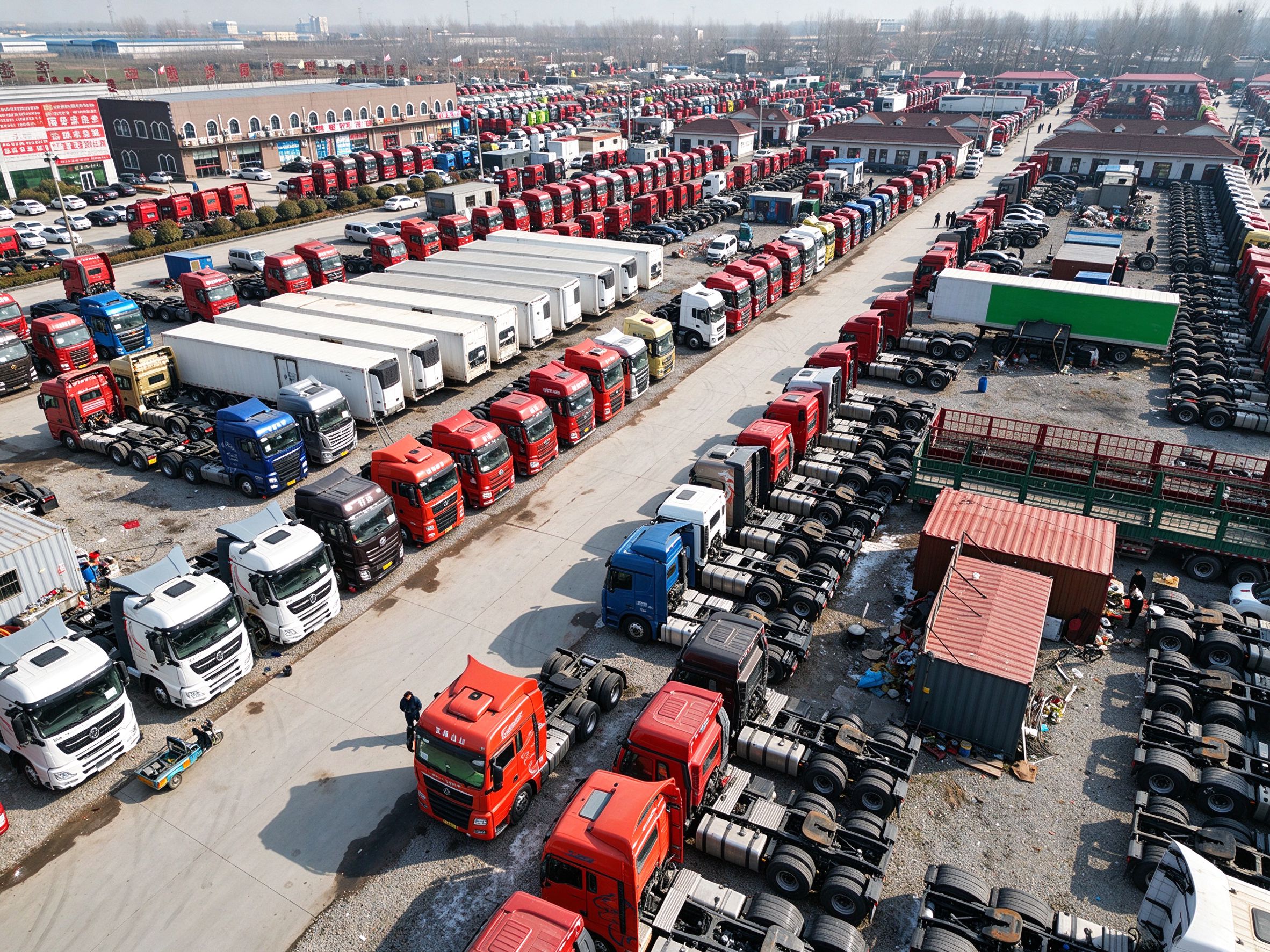
The light short-haul band (roughly 300-400 hp)
This band suits yard shuttling, short local deliveries and light flatbed or small combination loads. Its advantages are lower fuel burn and lower acquisition cost, and in this range the engine and driveline tend to be the simplest and most widely serviced configurations in the market.
- Best fit: port and yard work, short regional legs, lighter combinations on mostly sealed roads.
- The compromise: long sustained grades and heavy combinations push this band into high fuel consumption and accelerated wear.
- Fleet note: simplicity is a maintenance asset - this band is the one a roadside workshop is most likely to keep moving.
The general-purpose band (roughly 400-500 hp)
The general-purpose band covers mixed regional hauls, container work and medium combination loads. It trades a higher acquisition cost for range: one tractor in this band can cover more of a fleet's varied work than a lighter unit, which matters when utilisation depends on accepting whatever load is offered.
- Best fit: mixed regional haulage, container transfers, medium combinations on varied surfaces.
- The compromise: higher fuel and purchase cost than the light band, without the sustained-grade margin of the heavy band.
- Fleet note: if your routes mix highway with broken secondary road, this band is usually where the balance sits.
The heavy long-haul band (500 hp and above)
Tractors in this range are built for heavy combination loads, long-distance hauls, mining access roads and sustained gradients. The extra output holds road speed on grades where lighter engines shed it, and the drivelines behind these engines are specified for continuous load rather than intermittent work.
- Best fit: heavy combinations, mining and quarry access, long corridors with sustained climbs.
- The compromise: the highest fuel and acquisition cost of the three bands, and more specialised upkeep.
- Fleet note: paying for this band only returns money when the route actually demands it - on easy work it is cost without return.
Tractor vs tipper: why towing asks more of the engine than carrying
A tractor pulls a trailer, so its engine works against a resistance that grows continuously with load, gradient and speed. A tipper carries a static body load and works in loading-hauling-tip cycles. That difference in duty is why tractors of a comparable weight class are commonly specified with more power than tippers - and why a power band chosen for a tractor should be judged against the trailer it will pull, not the tractor's own weight.
How to choose the band for your haul
Work the decision in this order and the band usually picks itself:
- Estimate the combination weight you will actually run, not the rated maximum of the trailer.
- Assess the grade and distance profile of your routes - sustained climbs consume band headroom fastest.
- Factor road surface: unsealed or broken surfaces add rolling resistance and heat.
- Match the axle and tyre specification to the band - output without traction hardware is wasted.
- Weigh resale and parts commonality in your destination market before you shortlist.
- Pick the band that covers your worst regular day, with a margin you can name.
What a proper pre-purchase inspection coversDestination-market rules by countryReading a model code, and why the code alone is not enough
Frequently asked
Why is the power band more important than a single horsepower number?
Because a single number describes peak output, while the band describes what the tractor is specified to do repeatedly. Two tractors with similar peak figures can behave very differently on a hot, sustained grade. Judging by band keeps the decision tied to the work.
What are the trade-offs of the light short-haul band?
Lower fuel burn and lower acquisition cost, and the simplest upkeep. The trade-off is capability: long sustained grades and heavy combinations push this band into high consumption and accelerated wear.
Why do tractors need more power than tippers of similar weight?
Towing is a continuous duty against resistance that grows with load, gradient and speed, while a tipper carries a static body load and works in cycles. That duty difference is why comparable-weight tractors are commonly specified with more power.
How do I choose the right band for my haul?
Estimate the real combination weight, assess route grade and distance, factor the road surface, match axle and tyre specification, weigh resale and parts support, then pick the band that covers your worst regular day with a margin.
Sources
- Power band groupings reflect common 6x4 tractor specification practice; bands are indicative ranges, not manufacturer ratings for any specific unit
- Towing versus carrying duty distinction: general vehicle engineering reasoning on grade and rolling resistance